This article was originally published on LinkedIn on 10 August 2025. It has been moved to the riskfacilitator Insights library so the website remains the permanent source.[1]
Primary sources used to verify and contextualise this archive: [2][3]
Michael Tooma recently shared a great Australian Financial Review article by David Marin-Guzman on NSW’s new AI safety reforms. It’s a development every business leader, WHS professional, and union representative should be paying close attention to.
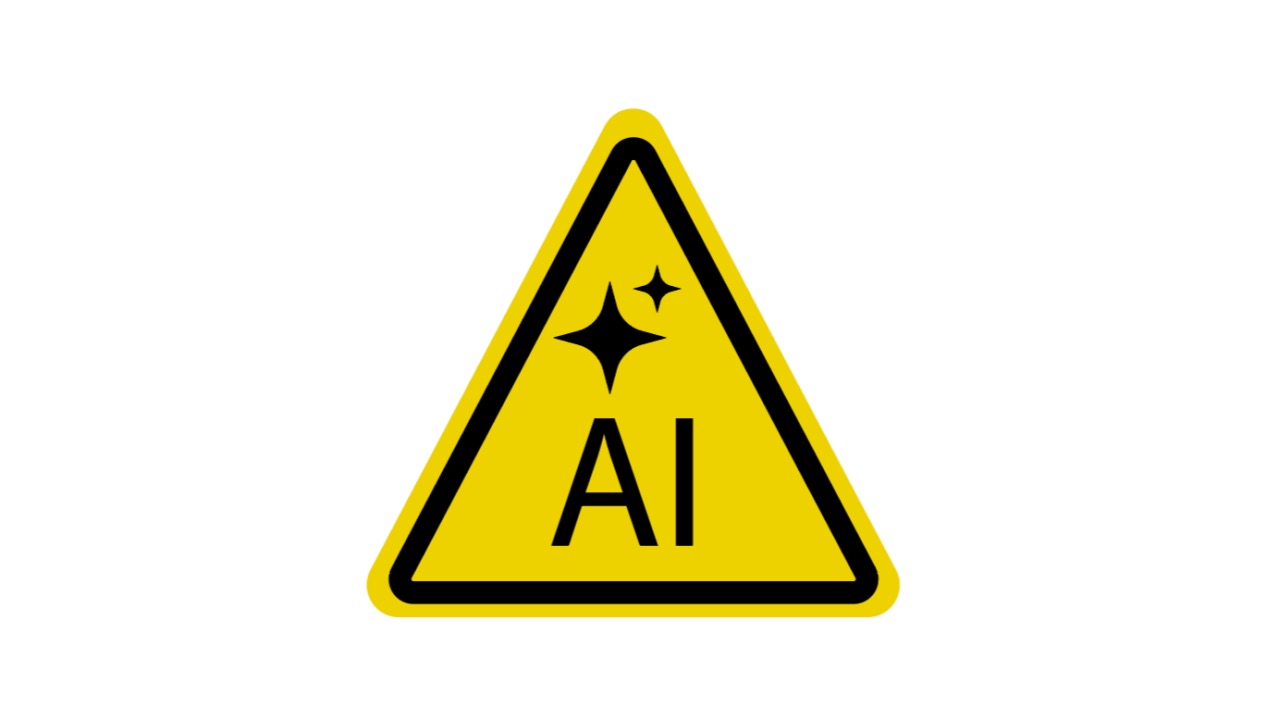
The Minns Government has introduced the first explicit AI safety duty in Australia, embedding it directly into workplace health and safety law. This is more than a policy statement, it’s a regulatory shift that treats AI as a workplace hazard in its own right.
Why it matters
Previously, unions or workers challenging AI-driven decisions, such as algorithmic rostering, performance tracking, or automated scheduling, had to prove a clear psychosocial safety risk. That safety link is now presumed.
When you combine that with NSW’s new unilateral arbitration powers, the implications are significant:
- Unions can take disputes over AI directly to the Industrial Relations Commission without employer consent.
- The Commission can issue binding orders on how AI is used, monitored, or controlled.
- Breaches of those orders could lead to prosecution under WHS law.
What this means for PCBUs
Businesses must now consider AI within the same framework they use for plant, hazardous substances, and other regulated risks. This means:
- Identifying all AI and automation systems in use that impact workers.
- Assessing risks across psychosocial, fairness, and discrimination dimensions, not just safety in the traditional sense.
- Consulting with workers and unions before implementation or significant change.
- Embedding AI governance into the WHS Management System, ensuring ongoing monitoring as systems adapt or learn.
A broader trend
Like industrial manslaughter laws, this could be the first of many state-level reforms. NSW may be setting the tone for national policy, but until harmonisation occurs, multi-state operators could face a patchwork of obligations.
Next steps for leaders
If your organisation uses AI to make decisions about work, from rostering to recruitment, it’s time to:
- Audit your current AI applications.
- Conduct targeted risk assessments for each system.
- Document controls and consultation processes to show due diligence.
The AFR article highlights the speed of this change. The bigger question is whether businesses are ready. AI in the workplace is no longer an innovation discussion, it’s a WHS compliance obligation with enforceable consequences.
References
- Paul Chivers, AI is now a Workplace Hazard!, LinkedIn, originally published 10 August 2025.
- SafeWork NSW, Development of the Digital Work Systems Code of Practice, accessed 10 August 2026.
- SafeWork NSW, WHS legislation, accessed 10 August 2026.