
The Exposure Starts Long Before the Injury
What worker exposure data tells leaders long before injuries, claims and illness appear.

Practical thinking on work health and safety, officer due diligence, risk governance and how organisations learn. These articles connect research, legal developments and real-world experience with decisions leaders can act on.
Add riskfacilitator as a preferred source on Google ↗
A practical reference for directors, officers and safety professionals seeking a deeper understanding of Australian WHS legislation, legal duties and due diligence.
Exclusive 20% discount for Riskfacilitator clients.
What worker exposure data tells leaders long before injuries, claims and illness appear.
What officers, directors and senior leaders need to know about assurance, verification, contractor governance and changing WHS expectations.
What worker exposure data tells leaders long before injuries, claims and illness appear.

Why criminal liability, organisational conduct and prevention operate under different thresholds.
Expertise can be delegated. An officer’s responsibility to verify the system cannot.

What four evidence sets reveal about risk, response and reassurance after the 2026 NSW shark incidents.

Why the ISO 45001 revision should trigger a review of control effectiveness, not just another document update.
NSW approved Codes now operate as minimum performance standards, focusing attention on evidence that controls work.
Why familiar injury statistics can create false confidence and what leaders should ask for instead.

What a high-consequence live event reveals about preparation, verification and due diligence under pressure.

A practical overview of significant NSW workplace reforms and their implications for proactive risk management.

Why consultation and respect for expertise matter when organisations direct contractor work.

What major accident investigations reveal about audit blind spots, surface compliance and false assurance.
What a New Zealand officer prosecution teaches leaders about inquiry, verification and operational visibility.

How duty-of-care expectations compare across jurisdictions and what multinational organisations should notice.
Moving beyond paperwork and blame to design controls that remain effective in complex, variable work.

A warning that enters a maintenance system but does not change the operating state is not yet protection.
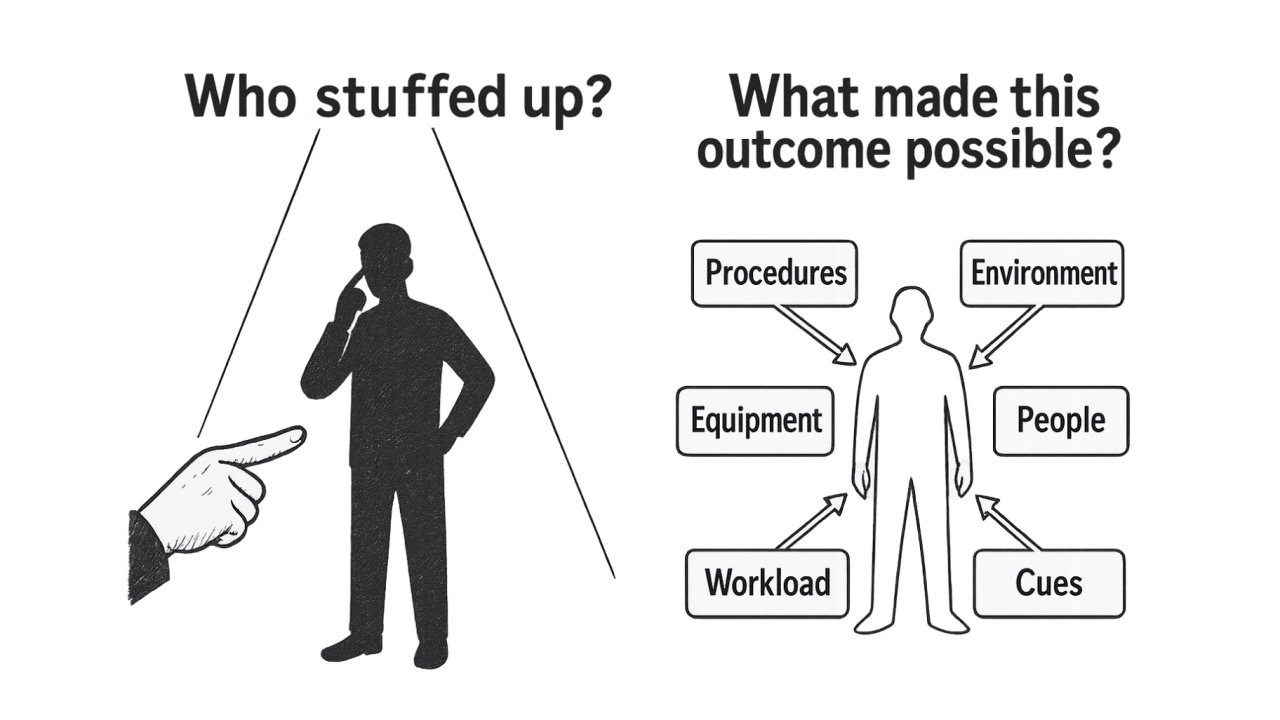
How to strengthen systems while maintaining fair, meaningful individual accountability.

Why effective prevention begins by understanding and redesigning the conditions in which people work.
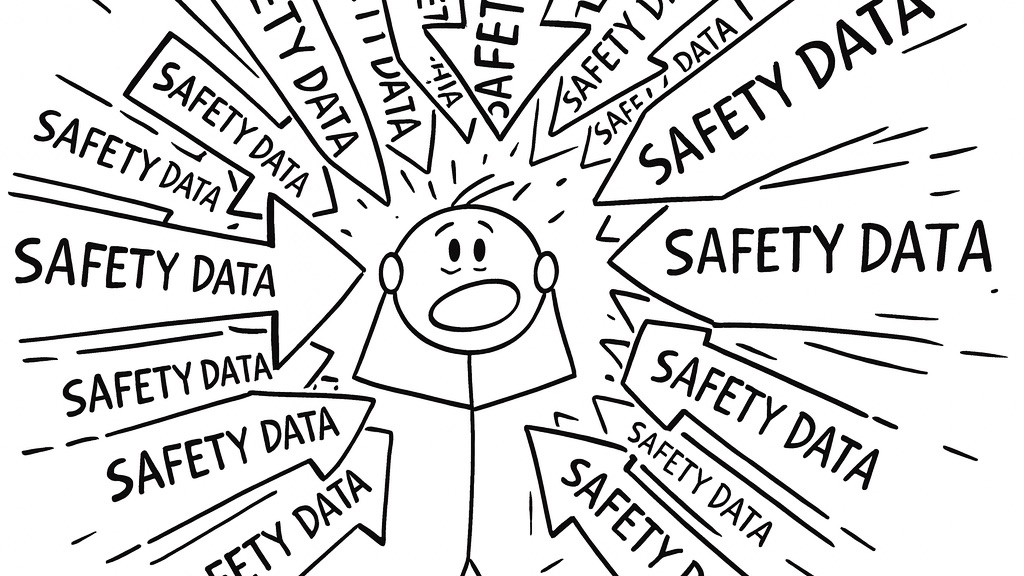
How safety systems accumulate complexity, drift away from work and begin to create the risks they were designed to control.
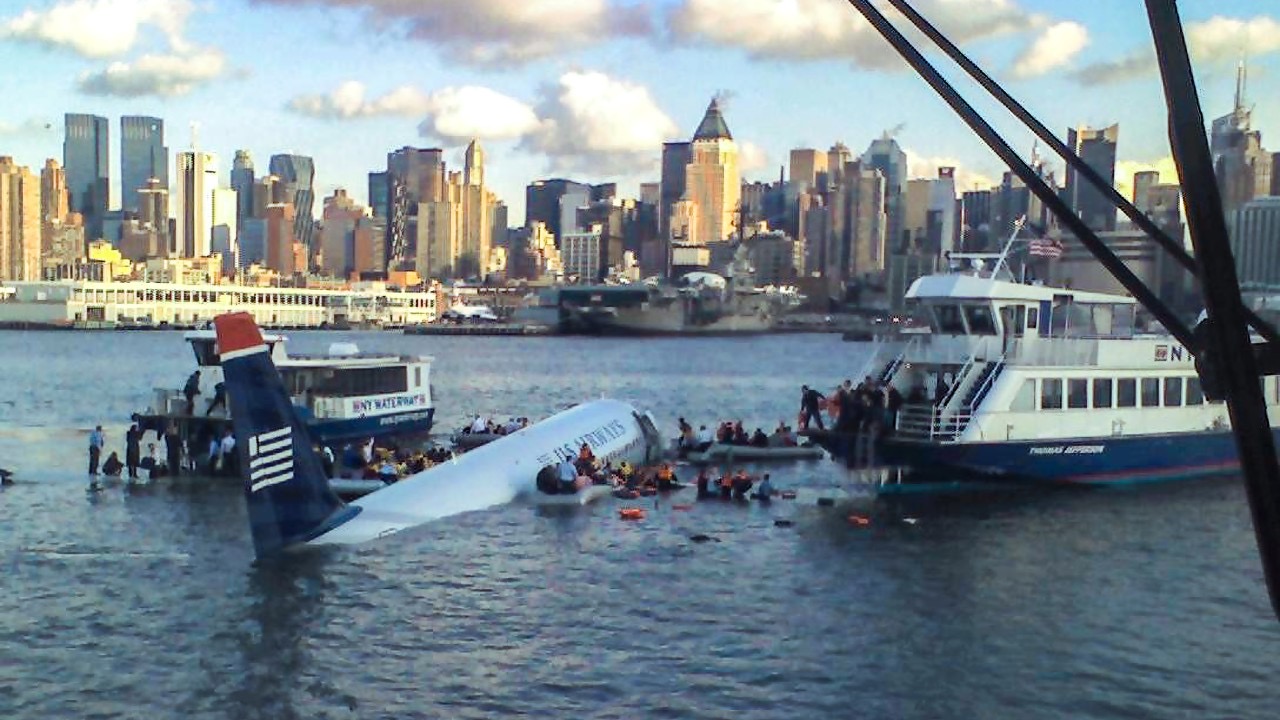
What aviation teaches us about professional judgement, adaptation and real-world risk.

Why lower-level controls should be the exception rather than the organisational default.
Using disciplined inquiry, operational evidence and learning approaches to understand why outcomes make sense in context.
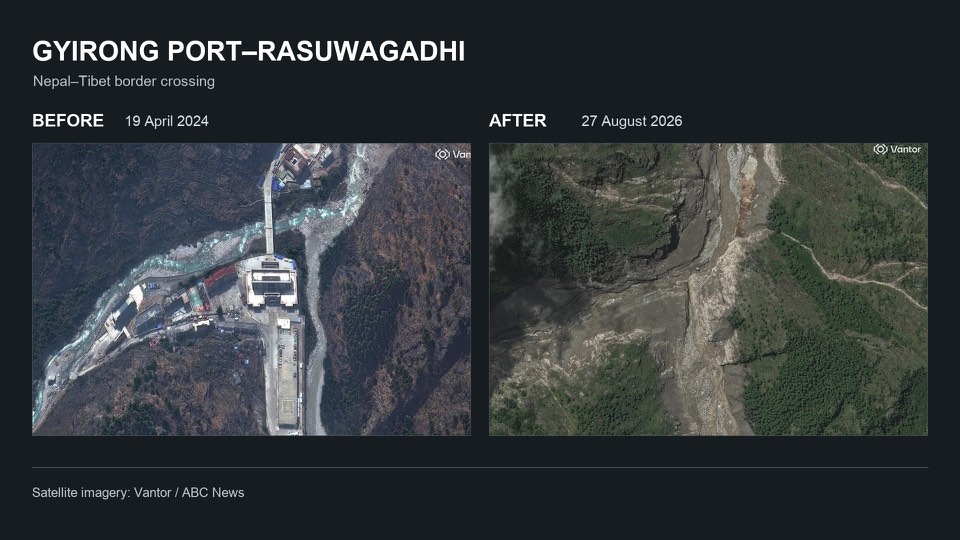
Why hindsight bias can distort how we investigate, judge decisions and learn from failure
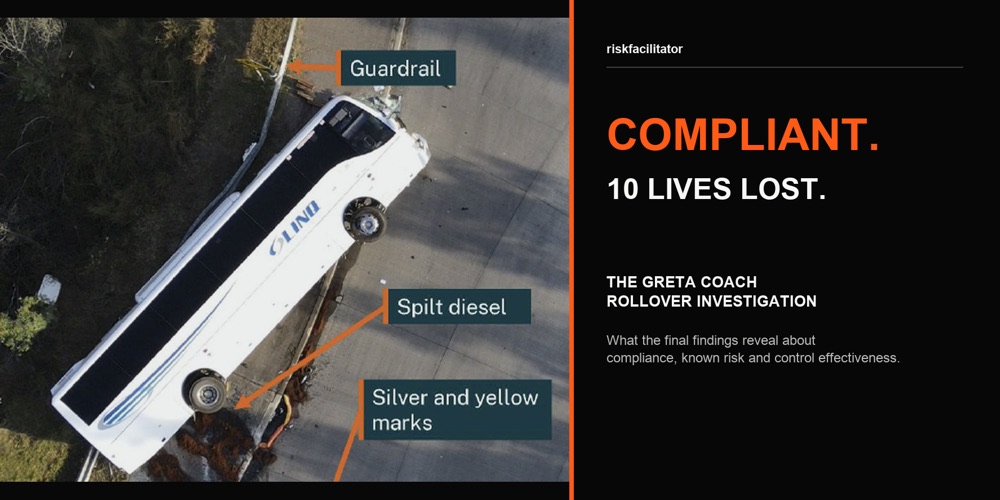
What the Greta coach rollover investigation reveals about compliance, missing risks and control effectiveness.

Evidence from aviation challenges simplistic claims about investigation methods and organisational learning.

A learning report on maintenance, verification, competence and governance failures behind a fatal fall.
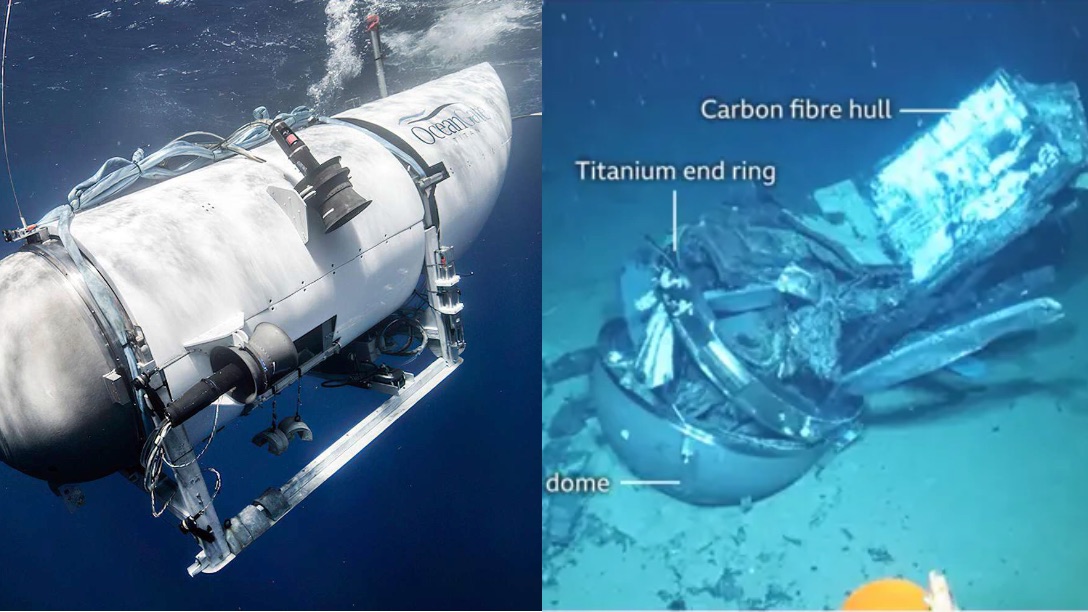
What the Titan investigation reveals about warning signs, governance and the normalisation of unacceptable risk.
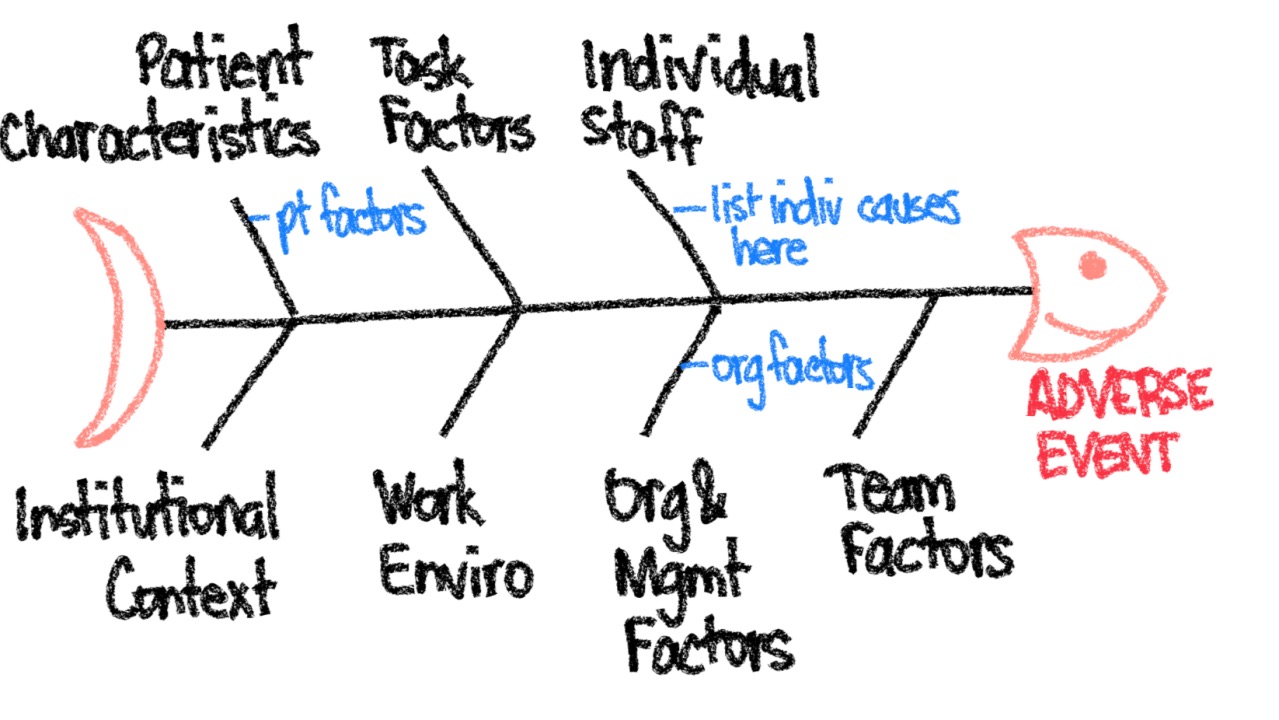
How learning teams can complement traditional root cause analysis and reveal how work is actually performed.

What carefully rehearsed scenarios can teach leaders about discovering failure before a real emergency.
The hidden cost of production pressure and the danger of relying on reassuring outcome measures.
Critical thinking about AI, digital work, fatigue and the changing conditions that influence safe performance.
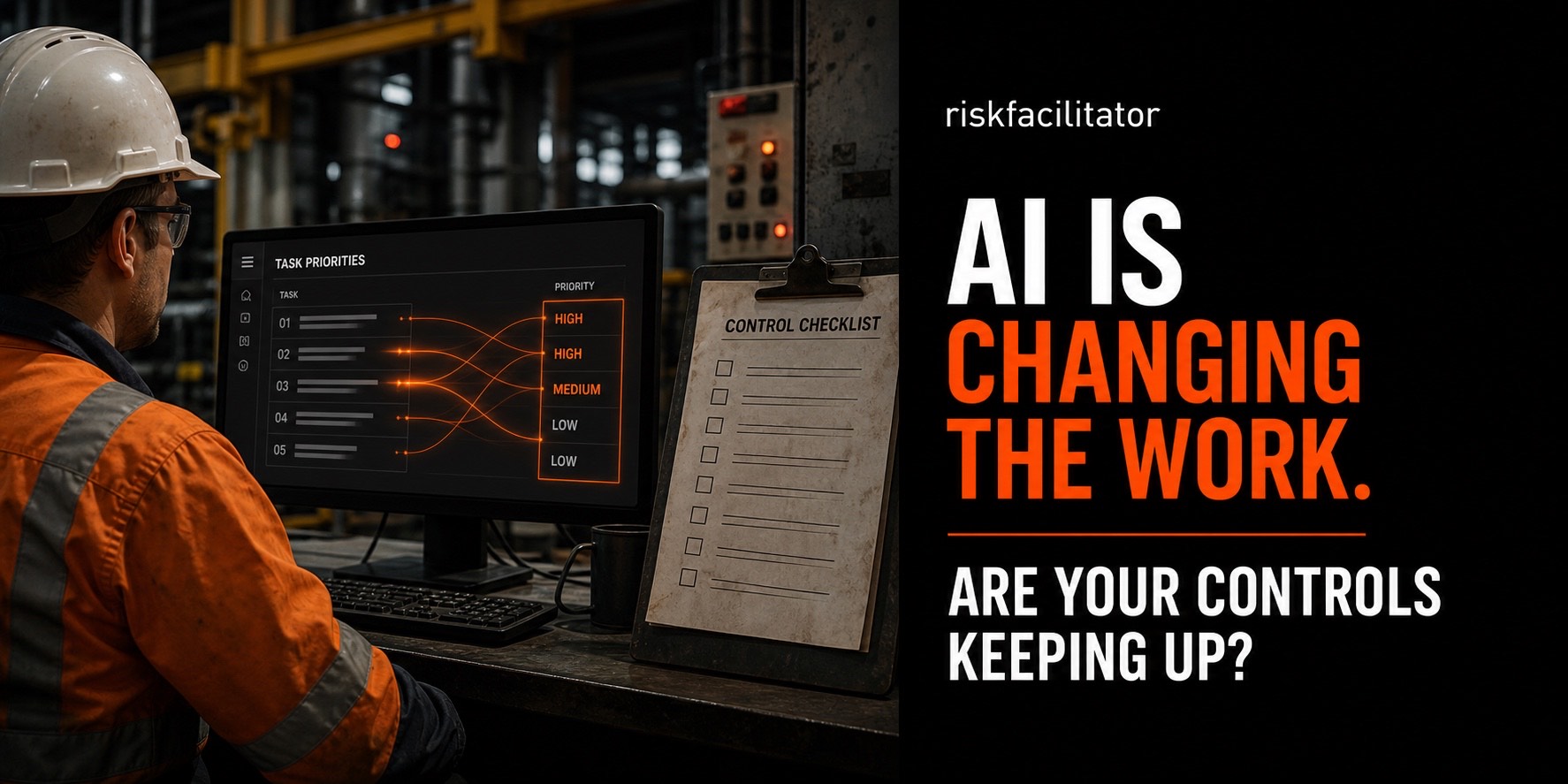
AI implementation redesigns work, requiring evidence that the redesigned work remains safe in practice.

What three high-consequence AI risks teach leaders about intervention, uncertainty and control.
What NSW digital work reforms mean for leaders, WHS professionals and algorithmic work design.

The hidden organisational costs of fatigue, irregular work patterns and inadequate recovery.

Why judgement, scrutiny and human reasoning become more important as AI tools become commonplace.

Whether airbag restraint technology could reduce serious injuries during severe turbulence.

Why delayed and uncertain feedback makes infection prevention a difficult risk-control problem.