
This article was originally published on LinkedIn on 11 June 2025. It has been moved to the riskfacilitator Insights library so the website remains the permanent source.[1]
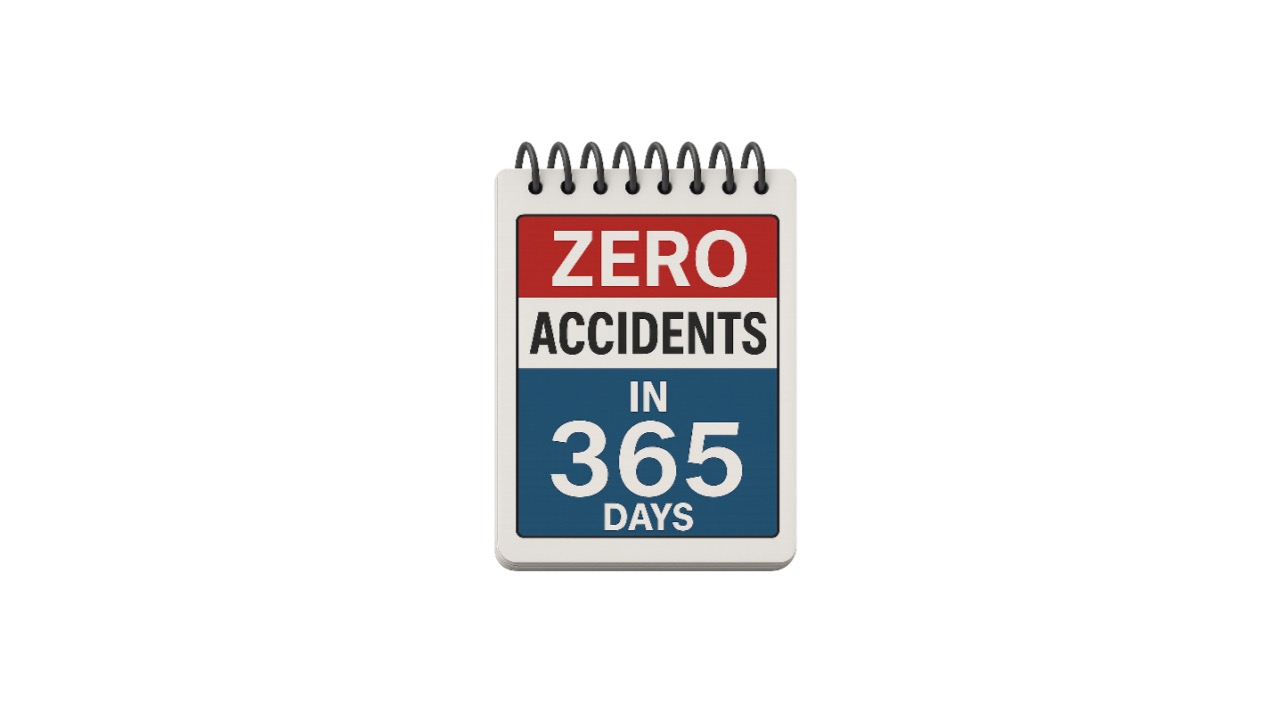
Each year, organisations report safety metrics to boards, regulators, and investors, incident rates, lost-time injuries, and near-miss trends. But what if those metrics are not a reflection of safety performance, but a symptom of something much more troubling?
In a study by Probst and Graso (2013), mining workers reported an average of 2.84 accidents per year, yet only 0.49 were formally reported. More than 80% of incidents went unreported. The most common reason? Production pressure, a systemic, cultural force that incentivises silence over transparency.
This study echoes what many of us in risk and safety already sense: our organisations are often learning less, not more, as they strive for numerical perfection.
The Safety Mirage: When Numbers Hide Risk
Under-reporting is not a new concern. But linking it to production pressure, a drive for efficiency, profitability, or reputation, should give us pause. According to the study:
- Employees under production pressure experienced more accidents.
- These same employees had more negative attitudes toward reporting.
- And when they did report, they experienced greater negative consequences, including being blamed or marginalised.
It’s easy to see how this culture emerges. Leaders talk about zero harm. Metrics are tied to bonuses. Boards want results. But safety is not the absence of accidents, it's the presence of capacity. When safety is defined by what doesn’t happen, we stop seeing the system for what it really is.
A Systems Problem, Not a People Problem
Traditional safety thinking too often focuses on the worker: blame, behaviour, and compliance. But this study supports the shift toward a systems-based view. The issue isn't that workers are under-reporting out of laziness or fear alone, it's that the system makes it hard to speak up.
This is a form of organisational drift, where safety becomes a checkbox and production is the real priority. There’s often a gap between "Work as Imagined" and "Work as Done", a gap that widens when reporting an incident feels more dangerous than the incident itself.
Boards and officers must exercise due diligence not by chasing perfect numbers, but by ensuring their systems create conditions for honesty, transparency, and learning.
The Cost of Silence
When incidents go unreported:
- Hazards go uncorrected
- Lessons go unlearned
- Patterns go unnoticed
- People lose trust
And perhaps most dangerously, organisations believe they are safe when they are simply uninformed.
As the study notes, even in an organisation with a strong safety culture and reporting requirements, the perception of production pressure was enough to distort behaviour. One can only imagine how distorted the data would be in organisations without those safeguards.
Reclaiming the Narrative: From Silence to Systems of Safety
This isn’t about abandoning performance targets or ditching reporting metrics altogether. It’s about asking better questions:
- Are we measuring what matters, or just what’s easy to count?
- Do our systems reward honesty, or punish it?
- Are our leaders visible, engaged, and asking the right questions?
- Is the fear of disrupting production greater than the commitment to learning?
We must invest in resilience, the ability to monitor, anticipate, respond, and learn. That starts by treating reports of failure, error, or harm as gifts, not liabilities.
The Numbers Aren’t the Story
If your safety numbers look good, pause before celebrating. Ask yourself: what might we be missing?
Because when production pressure drives under-reporting, low incident rates don’t mean safety. They mean silence. And silence is the most dangerous number of all.
#SafetyDifferently #HumanOrganisationalPerformance #DueDiligence #ProductionPressure #RiskCulture #LearningFromWork #SafetyLeadership #ProbstGrasoStudy #WHS #risky
Report Link - Pressure to produce = pressure to reduce accident reporting?https://www.researchgate.net/publication/256084901_Pressure_to_producepressure_to_reduce_accident_reporting[2]
References
- Paul Chivers, Are Your Safety Numbers Lying to You? The Hidden Cost of Production Pressure, LinkedIn, originally published 11 June 2025.
- https://www.researchgate.net/publication/256084901_Pressure_to_producepressure_to_reduce_accident_reporting, source linked in the original article, accessed 10 August 2026.